Why October 3rd Matters
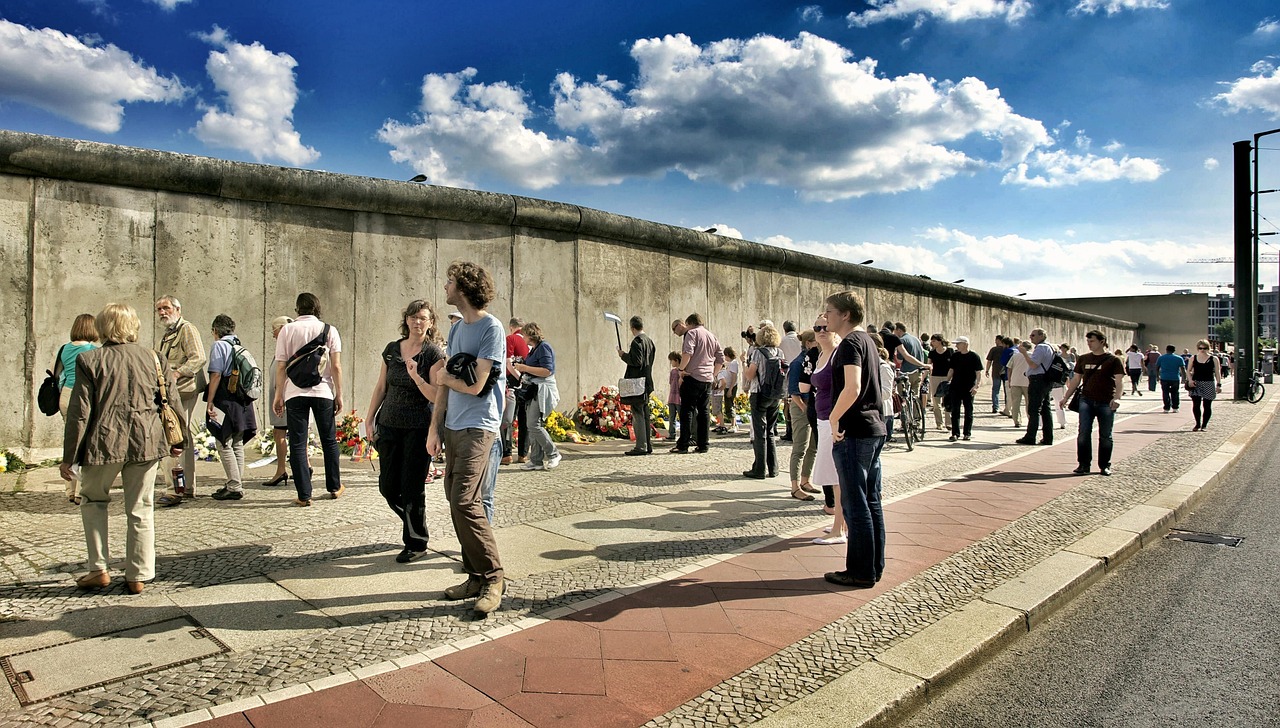
Every year on October 3rd, Germans celebrate Tag der Deutschen Einheit – the Day of German Unity. This national holiday marks the peaceful reunification of East and West Germany in 1990, after decades of separation following WW2. For Germany, it is not only a holiday but a reminder of democracy, freedom, and national identity.
How Germans Celebrate Today
Across the country, cities organize concerts, exhibitions, and cultural events. In Berlin, the capital, celebrations center around the Brandenburg Gate, with a large “Bürgerfest” (citizens’ festival). Visitors enjoy live music, food stands, and guided tours of historic places. In the evening, fireworks and light installations illuminate the city, symbolizing hope and unity. Smaller towns also mark the day with parades, speeches, and family gatherings.
Beyond Borders: Germany and Brasil
The Tag der Deutschen Einheit is also a story that resonates internationally. In Brasil, where a strong German-Brazilian community lives in the south, the holiday is sometimes honored with local festivals that blend Brazilian warmth with German traditions. This connection shows how history, culture, and unity can travel across continents.
A Global Lesson in Unity
Remembering WW2 and the Cold War gives this holiday a global meaning. It illustrates how divisions can be overcome and how reconciliation builds stronger futures. That is why many international visitors join Germans in celebrating, making October 3rd a symbol not only of national unity but also of shared human values.
For Germans, Tag der Deutschen Einheit is a powerful reminder that freedom must be protected. For people abroad, whether in Europe, Brasil, or beyond, it is an invitation to reflect on unity, peace, and the importance of cultural exchange.