João Havelange: The Brazilian Who Globalized FIFA

João Havelange (1916–2016) was a Brazilian sports executive, lawyer, and Olympic athlete who became one of the most transformative presidents in FIFA’s history. Born in Rio de Janeiro, he competed in swimming and water polo before moving into sports administration.
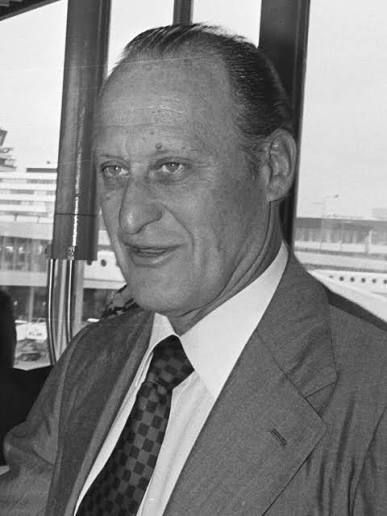
Elected FIFA President in 1974, Havelange’s leadership marked a new era of global expansion. He increased FIFA’s membership from 142 to more than 200 nations, introduced youth and women’s competitions, and helped turn the World Cup into a global media spectacle.

Havelange promoted football development in Africa, Asia, and Latin America, ensuring that the game reached millions of new fans. He also served as a long-time member of the International Olympic Committee, supporting initiatives that linked football with broader sports diplomacy.

After 24 years at FIFA’s helm, Havelange stepped down in 1998. He passed away in 2016, aged 100, remembered as the man who made football a truly global game.

Sources:
Wikipedia, The Guardian, Britannica, IOC

How a complaint sent to XP, CVM and regulators became a police investigation into the alleged whistleblower The case of Joao Luiz Silva Seabra Varella reopens an uncomfortable question about Brazil's financial market: what happens when a complaint reaches powerful people?  In recent months, the Banco Master case exposed a darker side of the relationship...

Recently, I was sitting with friends, talking over pizza and wine about developments in world politics, when someone said something that stayed with me: "These days, countries don't just conquer and annex other countries anymore. That happened in the past. Not today." It's true. Today we have international law, the United Nations, and democracy. We...

In defense of press freedom and the physical integrity of journalists, the Nokosphere Consortium strongly condemns any attempt to intimidate, persecute, illegally monitor, or commit violence against members of the press. The recent revelations regarding allegedly coordinated actions against journalists Lauro Jardim and Malu Gaspar raise a serious alarm: when journalism is treated as a...

Load More