
It All Began with a Steamboat Ride...
It is the summer of 1892. Under a bright blue sky, a paddle steamer glides along the River Spree. Its name: Hertha. On board is the young Fritz Lindner with his father. It is an ordinary day trip - and yet one that the boy would remember for the rest of his life.
Fritz and his brother Max, like many young people of that time, were fascinated by a new game that had just arrived in Germany from England: football.
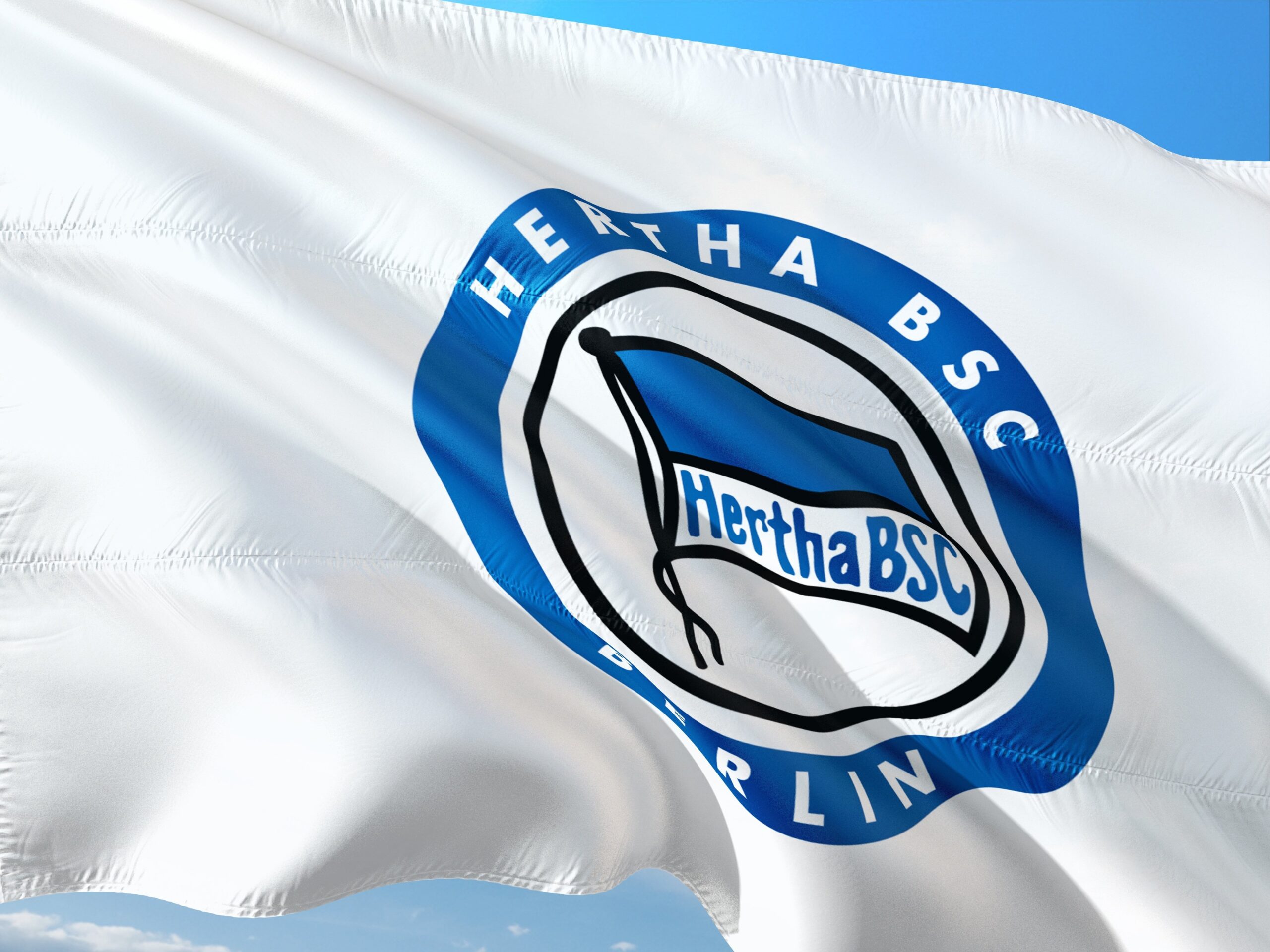
That same year, Fritz founded a football club together with his brother and their friends Otto and Willi Lorenz. Fritz suggested the name of the new club: Hertha, after the steamboat on which he had been traveling with his father. Fritz also adopted the steamer’s colors: blue and white.
Berlin as a Football Capital
About thirty years later, in the 1920s, Berlin became the center of German football. The game was booming, stadiums were filling up, and Hertha BSC emerged as the dominant team of the capital.
Between 1926 and 1931, the club reached the final of the German championship six times in a row - a series that remains remarkable to this day. The team was led by Hanne Sobek, one of the defining figures of early German football: captain, goal scorer, and an idol for many Berlin supporters.
In 1930 and 1931, Hertha won the title.
Success in the Shadow of War
With the war, football also changed - yet Hertha remained successful. The club became Berlin champions in 1935, 1937, and 1944, while the city itself was increasingly shaped by the war.
After the Second World War, the Allies initially dissolved all German clubs to break old structures. Hertha was affected as well. Only in 1949 was the club allowed to compete again under its original name. The club began anew.
A Club in the Shadow of the Olympic Stadium
In the postwar years, a particular situation emerged. Hertha played at the Olympiastadion Berlin, one of the largest stadiums in Europe. Yet the club itself fluctuated for decades between ambitious new beginnings and sporting setbacks.
This tension shaped the perception of the club: a large stadium, great expectations - but rarely the lasting stability required to remain permanently among the top teams in German football.
There was also the unique situation of West Berlin during the Cold War. The city was divided, politically isolated, and economically dependent on the West. Hertha existed within this special reality as part of the Bundesliga, but in a geographical and political position unlike any other club.
The Dream of the “Big City Club”
In the 2010s and early 2020s, Hertha attempted a radical restart. With the help of investor capital, the club aimed to develop into an international top team. The project was publicly described as a path toward becoming a “Big City Club.”
But high spending, sporting setbacks, and eventually relegation from the Bundesliga led to a financial and structural crisis.
The attempt to elevate Hertha to the European elite in a short period of time ended in disappointment.
Hertha 2026 - Smaller, but More Stable
By the spring of 2026, the club stands firmly with both feet on the ground. Under head coach Stefan Leitl, Hertha has placed greater emphasis on young players from its own academy and on long-term sporting development.
The financial situation is more stable than it was just a few years ago, and the club is consciously trying to operate more prudently.
On the pitch, Hertha is solid in the 2. Bundesliga and working with a clearer structure.
Hertha Is Berlin
Like the city itself, Hertha BSC has experienced championship years, endured upheavals, and repeatedly had to reinvent itself. Hertha carries the same mixture of dignity, scars, and hope that defines Berlin.
And perhaps that is why it feels so right that everything began with a steamboat once sailing along the Spree. Berlin could hardly have imagined a better beginning.