João Havelange: The Brazilian Who Globalized FIFA

João Havelange (1916–2016) was a Brazilian sports executive, lawyer, and Olympic athlete who became one of the most transformative presidents in FIFA’s history. Born in Rio de Janeiro, he competed in swimming and water polo before moving into sports administration.
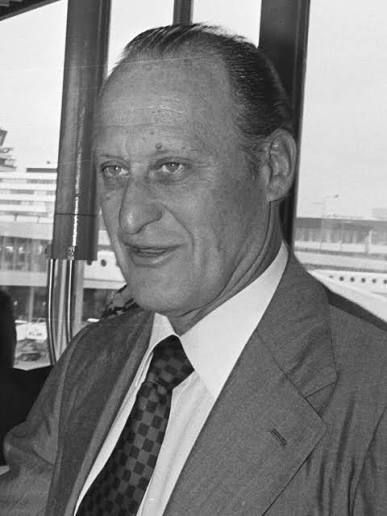
Elected FIFA President in 1974, Havelange’s leadership marked a new era of global expansion. He increased FIFA’s membership from 142 to more than 200 nations, introduced youth and women’s competitions, and helped turn the World Cup into a global media spectacle.

Havelange promoted football development in Africa, Asia, and Latin America, ensuring that the game reached millions of new fans. He also served as a long-time member of the International Olympic Committee, supporting initiatives that linked football with broader sports diplomacy.

After 24 years at FIFA’s helm, Havelange stepped down in 1998. He passed away in 2016, aged 100, remembered as the man who made football a truly global game.

Sources:
Wikipedia, The Guardian, Britannica, IOC

When you imagine yourself thinking, where do you see yourself? Probably sitting still, in a quiet room, a café, or on a park bench, quietly lost in thought. That image is familiar to many of us. Aristotle, however, imagined thinking differently. He did not believe that thought emerges best in silence. He believed it arises...

Rio de Janeiro.Investigations conducted by Brazilian and international authorities indicate that organized crime in Brazil has expanded its connections beyond national borders, using sophisticated financial structures that, in some cases, overlap with routes traditionally associated with the financing of terrorist organizations. At the center of these operations is money laundering, with Rio de Janeiro occupying...

For Plato, thinking began where the visible world ends. Born around 427 BCE in Athens, Plato grew up during a time of political change. Athenian democracy was already declining, and power struggles and internal tensions shaped public life. One event, however, stood out above all others and shaped Plato’s thinking for the rest of his...

Load More