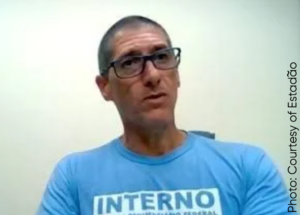
Eurico Miranda’s stand against fear and corruption changed South American football.
What Happened in the 1990 Copa Libertadores?
In 1990, the Copa Libertadores became more than a football tournament, it turned into a battlefield between courage and fear.
At the center of this storm stood Eurico Miranda, Vasco da Gama’s executive, who challenged the dark influence of narcotrafficking, corruption, and intimidation linked to Pablo Escobar’s Medellín Cartel.
That year, Vasco faced Atlético Nacional of Medellín in the quarterfinals. The first leg, played in Rio de Janeiro, ended 0–0. But the return match in Colombia was surrounded by tension and fear.
The Night Fear Took Over Colombian Football
According to GE.globo.com and El Tiempo, Uruguayan referee Juan Daniel Cardellino later revealed he was pressured and intimidated before kickoff. After Nacional won 2–0, Miranda filed a formal complaint with Conmebol, denouncing coercion and irregularities.
As The Washington Post reported (Sept 15, 1990), Miranda stated that referees and club officials were harassed, and that drug-linked groups were influencing Colombian football.
Conmebol acknowledged the irregularities, an extremely rare move, and annulled the match.
“Football Must Not Kneel Before Fear”
In the book “Todos Contra Ele” by Sérgio Frias (Máquina de Livros, 2020), Miranda is quoted as saying:
“Football must not kneel before fear.”
Despite his efforts, Atlético Nacional was not disqualified. Miranda called it “an institutional scandal”, a phrase that would echo across Brazilian media for years.
Pablo Escobar’s Shadow Over South American Football
During the 1980s and 1990s, Pablo Emilio Escobar Gaviria’s cartel dominated the global cocaine trade, and, according to multiple sources (BBC, The New York Times, ESPN’s The Two Escobars), used football as a tool for power, influence, and money laundering.
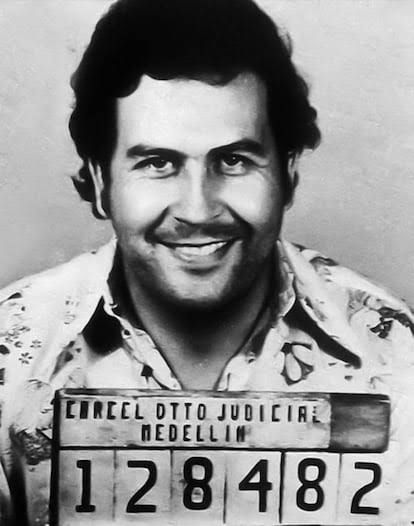
Books like “Los Dueños del Juego” by Javier Giraldo Neira describe how Atlético Nacional benefited financially from cartel money. The club’s 1989 Libertadores win was tainted by allegations of match-fixing and referee threats — including the murder of referee Álvaro Ortega, widely reported by El Tiempo and BBC Mundo.
A System Built on Intimidation and Silence
Across South America, many clubs, in Colombia, Peru, and Bolivia, received funds from suspicious sources. Referees and officials were pressured, and match results were often negotiated under threat.
Still, Conmebol refused to act decisively, citing a lack of “conclusive evidence.” Critics called it a cover-up, a sign of institutional impunity that remains infamous today.
A Rematch and a Legacy
The rematch took place in Santiago, Chile, where Vasco lost 1–0. But the true story wasn’t the score, it was the moment when one Brazilian executive dared to confront fear and corruption head-on.
More than thirty years later, the Vasco vs. Nacional 1990 case stands as a symbol of the clash between sporting integrity and systemic corruption.
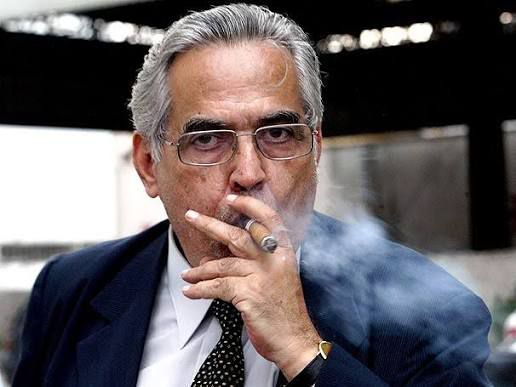
Even his detractors admit: Eurico Miranda, for all his controversies, represented moral resistance in a time when football itself bowed to crime.
“Football knelt before crime, and Conmebol turned a blind eye.“, Eurico Miranda
Why This Story Still Matters
Can sports truly stay independent when money and fear dictate results?
The story of Eurico Miranda reminds us that courage sometimes comes from unexpected places, and that standing up, even when you stand alone, can change the narrative.
Sources and Editorial Note
This article draws on public historical and journalistic sources:
GE.globo.com, El Tiempo (Colombia), The Washington Post, BBC Mundo, ESPN Films’ The Two Escobars, Wikipedia, and Todos Contra Ele (Sérgio Frias, Máquina de Livros, 2020).
There is no evidence of personal contact between Eurico Miranda and Pablo Escobar. References to the Medellín Cartel are contextual, illustrating the climate of violence and influence over Latin American football during the late 20th century.
This text is informational and analytical, with no defamatory intent, and complies with Brazil’s Law 9.610/98 and the U.S. Fair Use Act (17 U.S. Code §107).
Context Explained
- Copa Libertadores: The top football (soccer) tournament in South America, similar to Europe’s UEFA Champions League. It brings together the best clubs from each country.
- Conmebol: The South American Football Confederation, which organizes tournaments like Copa Libertadores and the Copa América.
- Vasco da Gama: One of Brazil’s most traditional football clubs, based in Rio de Janeiro, with a long history of social activism and sporting success.
- Atlético Nacional: A major Colombian club from Medellín. During the 1980s, it was allegedly linked to money from drug trafficking networks.
- Pablo Escobar: Colombia’s most infamous drug lord, leader of the Medellín Cartel, which dominated global cocaine exports in the 1980s and early 1990s.
- Medellín Cartel: A powerful criminal organization led by Escobar, responsible for widespread violence, corruption, and influence across politics and sports in Colombia.
- Institutional impunity: When powerful institutions or individuals escape punishment due to corruption, fear, or lack of accountability.
- Santiago, Chile: The neutral location chosen by Conmebol for the rematch between Vasco and Nacional in 1990.