What exactly is a trade agreement?
A trade agreement is basically when two or more countries sit down and say: “Let’s make it easier to sell each other stuff.” Instead of endless taxes, tariffs, and paperwork at the border, they agree on rules that smooth the process. Think of it like two neighbors who agree not to charge each other a fee every time they borrow sugar.
Why do countries need them?
Because no country produces everything it needs. Germany makes amazing cars, but it doesn’t grow coffee. Brasil grows world-class coffee, but it doesn’t produce BMWs. Trade agreements connect these strengths, so everyone gets what they want without paying ridiculous extra costs.
Are there different types?
Yes, just like friendships, some are casual and others are complicated:
- Bilateral agreements: between two countries, like a one-on-one friendship.
- Multilateral agreements: a group deal, often trickier but with more benefits (think EU or WTO).
- Regional deals: neighbors clubbing together, like Mercosur in South America or the EU in Europe.
Do they always work out smoothly?
Not really. Countries often argue about agriculture, industry standards, or environmental rules. For example, Europe might say, “We’ll buy your soybeans, but only if they’re grown sustainably.” Brasil might respond, “Okay, but you need to lower tariffs on our beef.” Negotiations can drag on for years, with lots of coffee (ironically, probably Brazilian).
Why do they matter to everyday people?
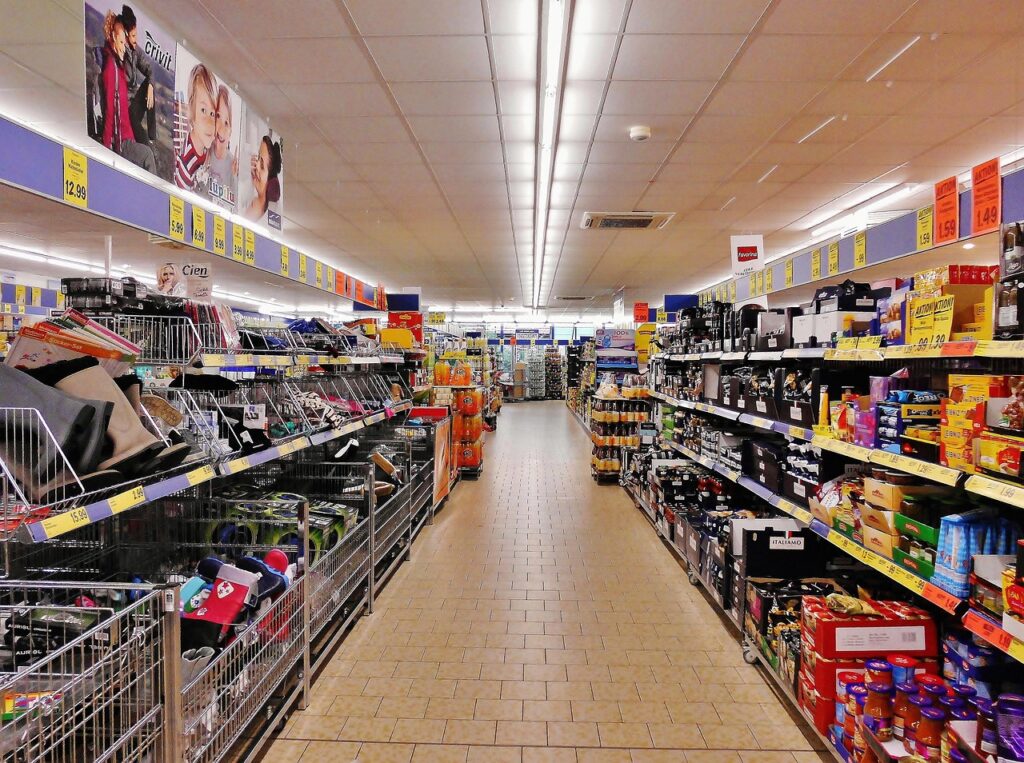
Trade agreements aren’t just about diplomats in suits, they shape what we see on supermarket shelves and how much we pay. They decide whether your smartphone is affordable, your cheese is imported, and your morning cappuccino costs €3 or €5.
What about Germany and Brasil?
Germany is one of the EU’s leading exporters, and Brasil is part of Mercosur. Their ongoing trade talks focus on things like agriculture, cars, and environmental standards. When these deals succeed, they can boost jobs, lower prices, and expand markets. When they stall, businesses and consumers notice.
So, what’s the bottom line?
Trade agreements are like international deals between friends. They don’t stop arguments, but they make cooperation easier and cheaper. And at the end of the day, they make sure you get your coffee, your car, and maybe even that affordable pair of sneakers, all thanks to politics you didn’t know was working in the background.