What kind of reality does Brazil face today?
Systemic corruption, poverty, urban violence, drug trafficking, lack of basic sanitation, unemployment, food insecurity, and poor access to justice, this is the daily reality of Brazil.
A country with more than 200 million inhabitants, it lives surrounded by exclusion and inequality.
For the poor, life is even harsher: they face high taxes without public services in return, extortion beyond official taxation, poor-quality schools, and alarming levels of violence.
Meanwhile, the political and economic elites remain shielded from the realities of the streets, detached from the struggles that define everyday life for millions.
What is the invisible tragedy no one talks about?
Between 2015 and 2024, Brazil registered 756,530 disappearances, an average of more than 200 people per day. Children and teenagers account for nearly one in every three missing persons.
Behind these numbers lies an invisible tragedy. It unfolds quietly, without the urgency it deserves. Every day, families search for sons, daughters, and loved ones who never return, often facing silence from the authorities meant to protect them.
Which cases have become symbols of this crisis?
One of the most striking disappearances was that of Priscila Belfort, sister of MMA fighter Vitor Belfort, last seen in 2004 in Rio de Janeiro.
To this day, her family has no answers.
Her case symbolizes thousands of others that remain unsolved, exposing the inability of Brazilian authorities to investigate and prevent such crimes.
Each unsolved disappearance reflects a wider failure, a justice system that cannot protect its most vulnerable citizens.
What might lie beyond the official numbers?
If the official statistics are already alarming, what lies beyond them is even more disturbing.
Everything suggests that a portion of these disappearances may be linked to illegal adoptions, forced labor, or international human trafficking.
The logic is perverse: if there is trafficking, there must also be buyers. The suspicion is that many victims are taken to wealthy countries through clandestine routes, destined for slave labor or even organ trafficking.
It is a chilling network that thrives in silence, and on the state’s inability to stop it.
A country haunted by absence
The disappearance of more than 750,000 people in just ten years reveals a silent humanitarian tragedy. In Brazil, no one is truly safe, but the poor pay the highest price.
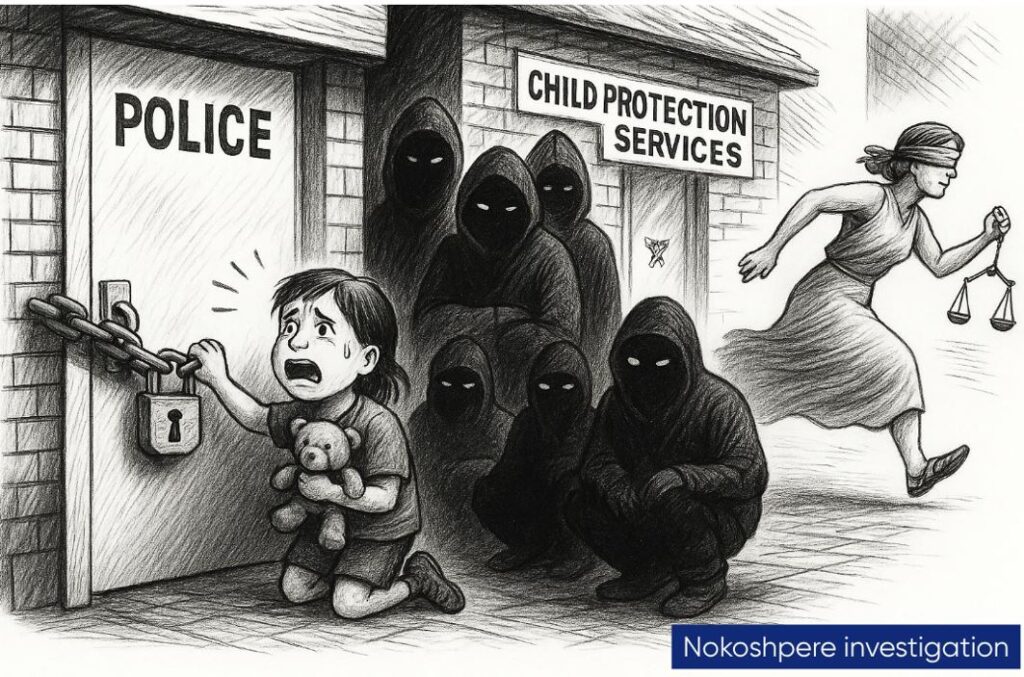
Brazilian children, especially the most vulnerable, remain completely unprotected in the face of state negligence and criminal networks. Each missing person is a reminder of a nation that has grown used to loss, a country haunted by its own absence.